




Scrub Typhus Spreads Across Nepal as More Than 10,000 Test Positive
Lumbini Province has reported the highest number of scrub typhus infections, with 2,848 cases, according to the latest government figures.
Published October 7, 2026 7:14 pm GMT+0545
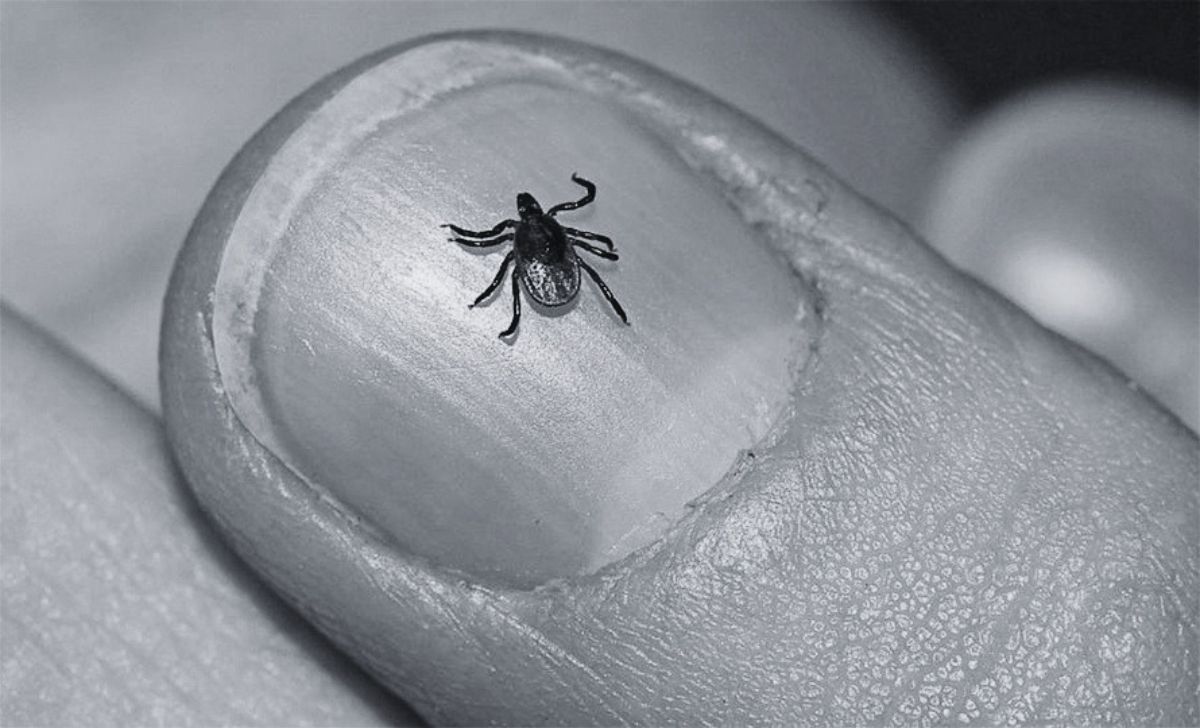
Nepal has recorded more than 10,000 scrub typhus infections this year, with the disease now reported in 74 of the country’s 77 districts as health authorities intensify surveillance and treatment efforts.
According to the latest data from the Epidemiology and Disease Control Division (EDCD), 10,210 people have tested positive for scrub typhus since January 2026. The government has officially verified seven deaths linked to the infection.
The number of cases has risen sharply during the monsoon and post-monsoon period. September alone accounted for 2,746 infections, following 2,571 cases in August and 1,342 in July.

Grow with Niguro Ads
Simple targeting, honest numbers, pay per view or click. See how Niguro Ads work.
The disease has been reported across all seven provinces, with only three districts Dolpa, Manang and Mugu reported as having no cases in the latest nationwide reporting.
Salyan outbreak raises concern
The situation has become particularly serious in Salyan, where a local outbreak has caused multiple deaths and hundreds of infections.
As of October 6, health authorities in Salyan had recorded 606 positive cases and nine deaths. Eight of the deaths occurred in Darma Rural Municipality and one in Chhatreshwari Rural Municipality.
The outbreak was first detected in Darma in July and subsequently spread to several other local levels. More than 2,500 people have been tested across the district, with positive cases reported in Darma, Kumakh, Bagchaur, Kalimati, Chhatreshwari, Kapurkot, Bangad and other areas.
An investigation team from the EDCD and provincial health authorities has been examining the outbreak. Investigators have collected blood samples from patients and studied the presence of mites and wild rodents around affected communities to better understand how the infection is spreading.
The difference between the national and local death figures is also significant. While EDCD has officially verified seven deaths nationwide, local authorities in Salyan alone have reported nine deaths. Officials are continuing to investigate and verify deaths attributed to scrub typhus, meaning the national confirmed figure does not necessarily capture every death reported locally.
Lumbini records the highest number of cases
Lumbini Province has reported the highest number of scrub typhus infections, with 2,848 cases, according to the latest government figures.
Sudurpashchim follows with 2,013 cases, while Gandaki has recorded 1,895. Bagmati has reported 1,284 cases, Koshi 1,160 and Karnali 751.
Earlier EDCD data covering October 1 showed Lumbini with 2,779 cases, Sudurpashchim with 1,947 and Gandaki with 1,864. The increase reflects continued transmission during the early October reporting period.
At district level, Dang has recorded the largest number of cases, followed by Syangja, Bajhang, Sankhuwasabha and Palpa. Salyan has also emerged as a major hotspot because of its rapidly increasing number of cases and deaths.
Why cases rise after the monsoon
Scrub typhus is a bacterial infection caused by Orientia tsutsugamushi. It is transmitted to humans through the bite of infected larval mites, commonly known as chiggers.
The mites are commonly found in grass, bushes, agricultural fields and forested areas, particularly where rodents are present. People can become infected while working in fields, cutting grass, entering forests or coming into contact with vegetation.
The risk tends to increase during and after the monsoon because warm and humid conditions favour the mites, while agricultural and outdoor activities increase people's exposure to vegetation.
Health officials say this seasonal pattern helps explain the sharp rise in infections recorded in July, August and September.
Delayed treatment can lead to serious complications
Scrub typhus can be treated effectively when diagnosed early. But if treatment is delayed, the infection can become severe and affect vital organs.
Health officials have warned that serious cases can involve organs including the heart, liver and kidneys and may require intensive hospital treatment.
The problem is that the early symptoms can resemble other common infections. People may initially treat fever themselves or purchase medicines without consulting health workers, potentially delaying appropriate diagnosis.
Health officials in Salyan have specifically urged people with persistent fever to seek testing rather than relying on self-medication.
The government says diagnostic kits and medicines are available through public health facilities. The health authorities have also been supplying rapid test kits and medicines to areas experiencing higher transmission.
Government steps up surveillance and testing
The Ministry of Health has intensified surveillance, testing, treatment and public awareness campaigns following the nationwide spread.
The EDCD is monitoring the disease through systems including the Early Warning and Reporting System (EWARS) and the Surveillance Outbreak Response Management and Analysis System (SORMAS).
The government has also distributed rapid diagnostic kits to provincial and local health authorities based on need. Around 5,000 test kits are currently being maintained as buffer stock, while medicines have been supplied to affected areas.
The EDCD has also been training health workers on diagnosis and treatment. About 1,000 doctors and health workers received training and orientation on scrub typhus during the early monsoon period.
The government published an updated National Guideline on Diagnosis, Management and Prevention of Scrub Typhus in Nepal on September 28, reflecting the continuing focus on the disease.
Symptoms to watch for
Scrub typhus commonly causes:
- High fever
- Severe headache
- Body aches
- Swollen lymph nodes
- Chills
- Excessive sweating
- Loss of appetite
- Red eyes
- Cough or breathing difficulties
- Gastrointestinal symptoms such as diarrhoea
- A dark, painless scab-like mark at the site of a mite bite
Not everyone develops the characteristic dark scab, so its absence does not rule out the infection.
People who develop a persistent or high fever, particularly after working in fields, grassland, forests or bushy areas, should seek medical evaluation rather than relying on self-medication.
How to reduce the risk
Health authorities recommend covering the body when working in grass, bushes or forests and wearing long trousers, long-sleeved clothing and boots. Gloves can also reduce exposure when handling vegetation.
People are also advised to keep bushes and excessive vegetation around homes under control and maintain clean surroundings. Proper storage of food and measures to control rodents can help reduce conditions that support the transmission cycle.
With scrub typhus now reported in 74 districts and infections continuing to rise, health officials say early recognition, testing and treatment remain critical to preventing severe illness and deaths.
How we report: Editorial Policy Corrections Report an error

Meet Bhotu, your AI friend
Ask anything in English or Nepali. Bhotu answers with live Niguro data.


