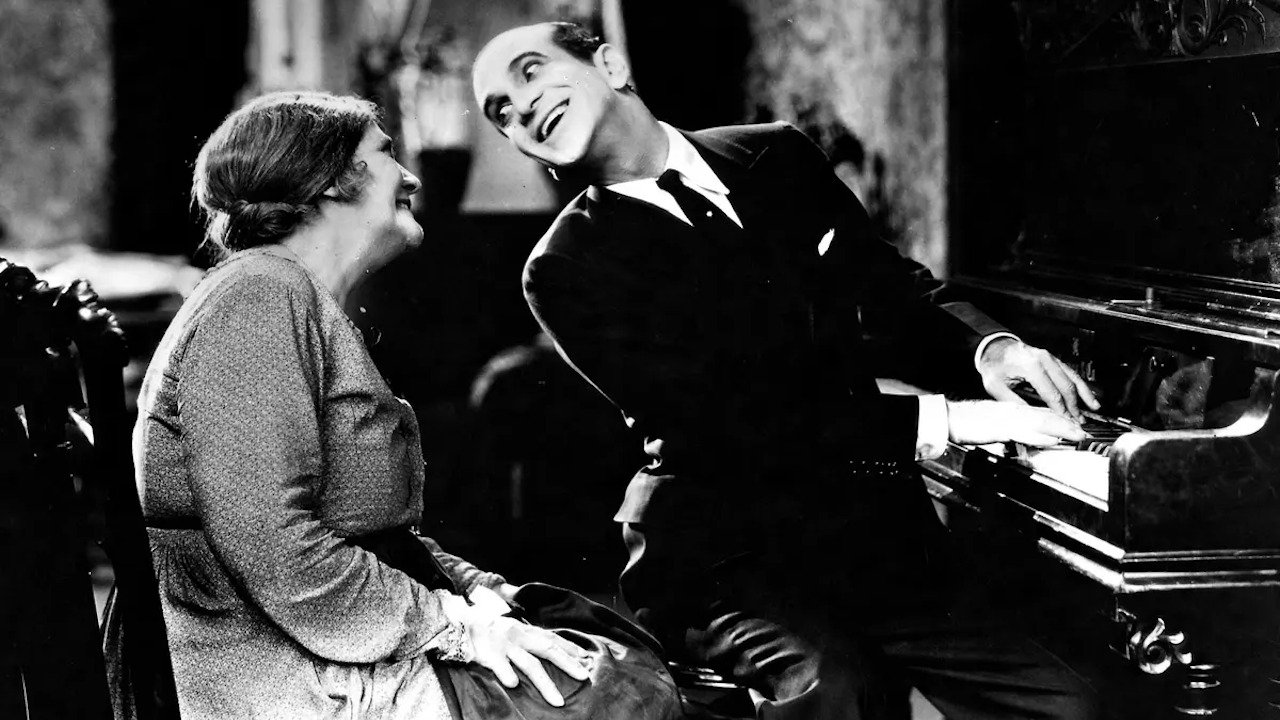
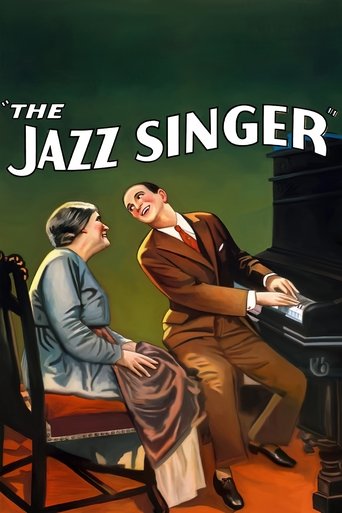
Al Jolson's "Jakie" is to be the sixth in a line of cantors from the Rabinowitz family. He has a fine voice and some musical talent - he just wants to take them to Broadway instead of to the synagogue. His father (Warner Oland) is horrified, his mother (Eugenie Besserer) disappointed but he still decides to follow his star! He loves the music of the 1920s - jazz, ragtime, swing - and changing his name to "Jack Robin" and after a decade of slogging, and travelling the world, manages to enlist the help of established star "Mary Dale" (May McAvoy) and look set to get his very own "Follies" show on stage. With less than 24 hours to go, his father's rather malevolent friend "Moisha" (Otto Lederer) shows up to tell him that his dad is poorly and that there is nothing the old man would like better than for his son to sing at the Day of Atonement - the same day as the show! Now we know that the last encounter between the father and son had led to the latter banishing the former from their home, so what might the younger man do now? Much is made of the last few scenes from this film, but I think this story is more interesting when we consider that the real thrust of it has nothing at all to do with colour, but with a sort of cultural evolution. Of a rebellion against a religiosity that older, often themselves from persecuted generations, people are desperate to see continue despite it being something that their offspring cared far less about preserving. "Jakie" has been brought up by two loving and caring people, yet he has chosen a path that creates an insurmountable barrier - but need it be. Is it just belligerence? Intolerance? Ignorance? The acting, writing and the singing, unfortunately, don't really do it any favours - the sound quality and the production limitations render the numbers a bit wooden and sterile, but as a technical example of where films are heading - and of the freedoms of expression that they were soon to provide - it's worth a watch.










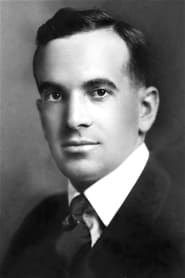

Director
Alan Crosland
Top cast
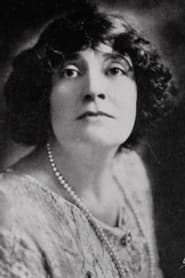
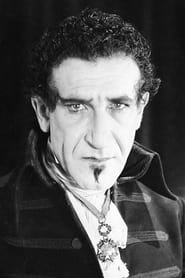
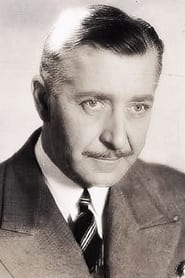
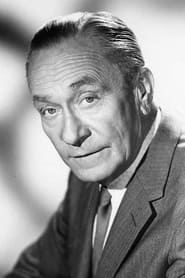
Al Jolson·May McAvoy·Warner Oland·Eugenie Besserer·Otto Lederer·Robert Gordon·Richard Tucker·Yossele Rosenblatt