As the 1960s went on Jean-Luc Godard kept up the kind of brash, zany, experimental style with which he made his name and became a cornerstone of the French New Wave, but his work increasingly showed a political consciousness sparked by the explosion of the consumer society in that decade. The class of haves, in his view, were being increasingly selfish and dog-eat-dog, while the have-nots of the world could not be expected to stand by idly. Society was surely headed for a breakdown, and his 1967 film WEEKEND is an absurdist vision of it in one hour and forty-five minutes. This is emphatically not a good entry point to Godard -- if you don't know his work, see Breathless or Le Mepris first -- but it is a marvelous capstone to his first decade of cinema. (After this, Godard disappeared from the limelight for some years while making more overtly political films with Jean-Pierre Gorin as the Dziga Vertov collective.)
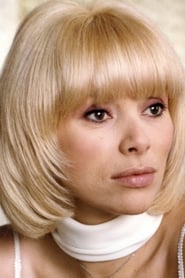
Married couple Roland (Jean Yanne) and Corinne (Mireille Darc) set off from Paris one weekend for Corinne's parents' home, as her father is dying and they want to make sure they get their cut of inheritance. Not only is their relationship with Corinne's parents focused solely on money, but both Roland and Corinne are secretly having affairs and each plans to later dispose of the other in order to run away with their lovers. As Roland and Corinne hit the road, civilization appears to have vanished all around them: people are violently fighting each other over petty arguments, the road out of Paris is an endless traffic jam of honking horns and yelling, and the roadside is littered with car wrecks and their bloody victims.
WEEKEND is a grand portrait of human veniality like Dante's INFERNO. Even when Corinne and Roland encounter a group of hippies, the idealistic dreamers who oppose the cruel order of capitalist society, they are shown great cruelty. Godard was awfully prescient: not only did he shoot this film a year before the events of May 1968 and he presaged a youth revolt, but he also expected that youth to perpetuate the same flaws of the system they overthrew.
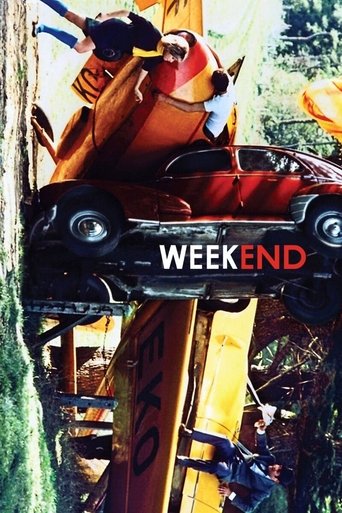
Visually, WEEKEND is as much a delight as any of Godard's other colour films of this time, with a pop art feel. Godard and his cinematographer Raoul Coutard had a great eye for colour, mainly the red, white, and blue from the French flag, but all the hues on screen are bold an




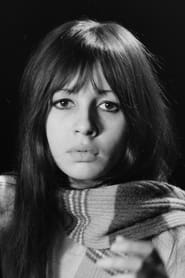
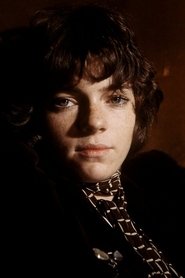
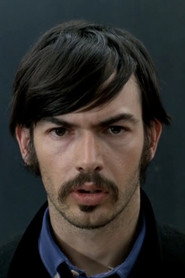
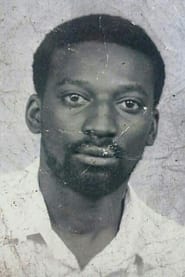










Director
Jean-Luc Godard
Top cast
Mireille Darc·Jean Yanne·Jean-Pierre Kalfon·Yves Afonso·Yves Beneyton·Juliet Berto·Michèle Breton·Michel Cournot