The Unbearable lightness of Sex.
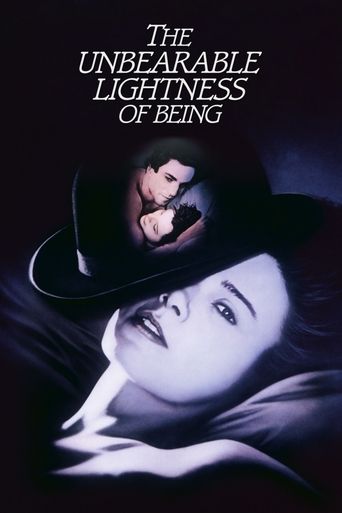
When the recently deceased Milan Kundera published “The Unbearable Lightness of Being” he probably knew that the book would be both loved and hated. Based on the philosophies of Friedrich Nietzsche, it outlines a story full of eroticism between four characters amid the turmoil resulting from the Prague Spring in 1968, and the “years of lead” that followed. What this film did was adapt the novel to the cinema, with some changes and focusing attention on the two central characters.
I read the book many years ago and didn't like it. In the book, the author exposes philosophical positions taken from Nietzsche's ideas and where he privileges sex and the search for pleasure while relativizing and diminishing love. No idea could be more different from my thinking. After all, what could be more fleeting than an orgasm? In a subtle way, the book ends up proving me right: the characters live very troubled lives until the moment they find the serenity that stable feelings, such as love and friendship, can bring to each person's life. From this short review, you can already tell that I didn't like the film. I still decided to watch it due to the amount of positive opinions I heard and the presence of some big names in cinema.
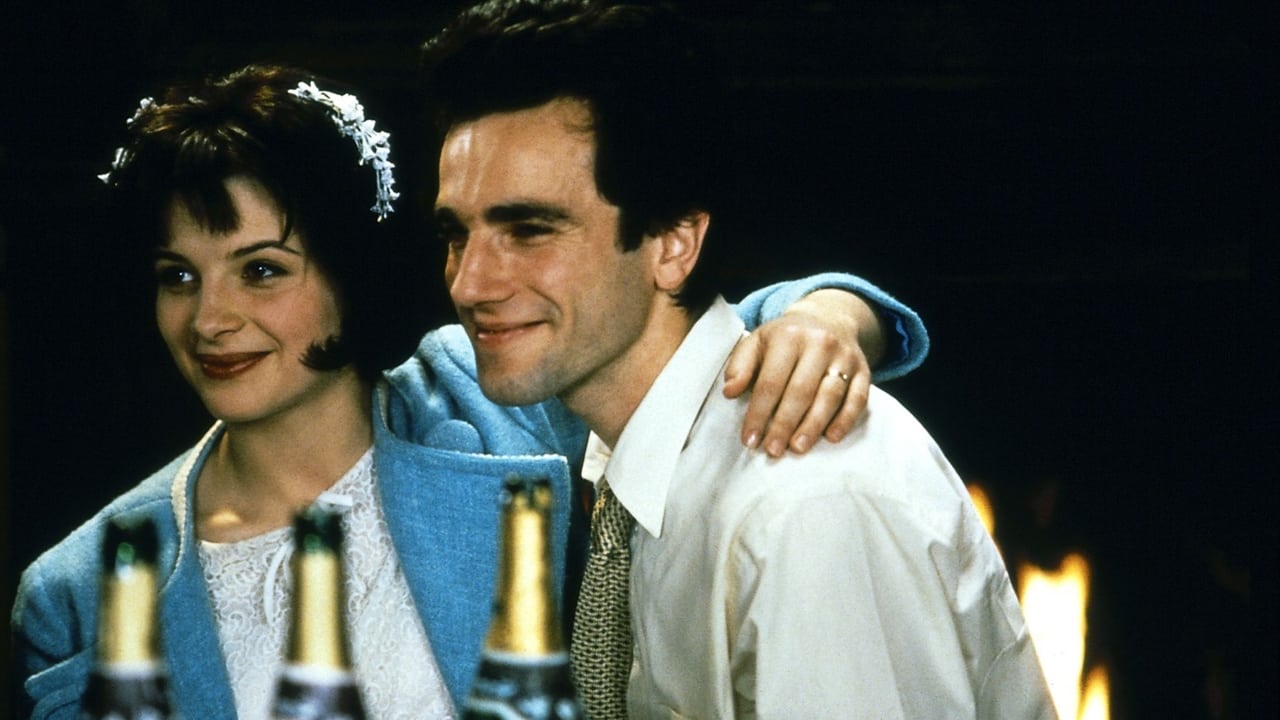
Directed by Philip Kaufman, the film was made almost immediately after the book was published, but the adaptation is quite weak. The film essentially focuses on one thing: sex. I shouldn't be exaggerating if I say that we can't watch thirty minutes of film without see a naked woman or a couple in the act, and the film is almost three hours long. It was something that had to be part of the film, given the content of the book, but I think there was an exaggeration on the part of the producers and screenwriters. Nudity is very present, bluntly, from all angles, which makes the film heavier. With so much attention to sordid details, the rich characterization of Kundera's characters got lost somewhere: Tereza couldn't seem more confused and Tomás was transformed into a debauched maniac who can't see a woman in front of him and can't respect his wife.
What about the book's political plot, in which Kundera exposes his aversion to his country's regime? The film tells us very little. The images of the Prague Spring are striking, in large part due to the superb cinematography and the way they combined archival





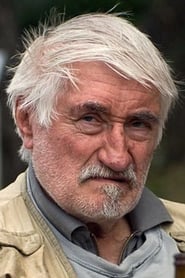

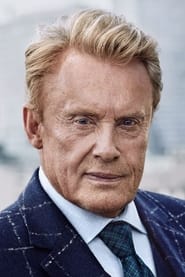
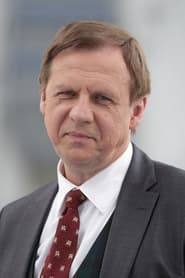
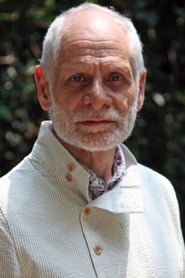

















Director
Philip Kaufman
Top cast
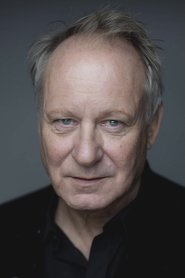
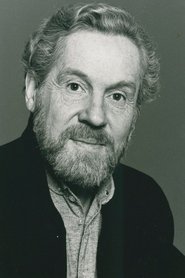
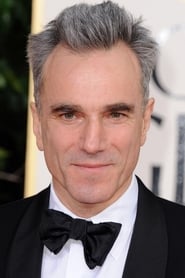
Daniel Day-Lewis·Juliette Binoche·Lena Olin·Derek de Lint·Stellan Skarsgård·Erland Josephson·Pavel Landovský·Donald Moffat