PATA Urges Tourists Not to Cancel Nepal Trips as Most Destinations Remain Open
The Pacific Asia Travel Association (PATA) has urged tourists and travel companies not to treat the recent floods in northern Nepal as a countrywide disruption,…
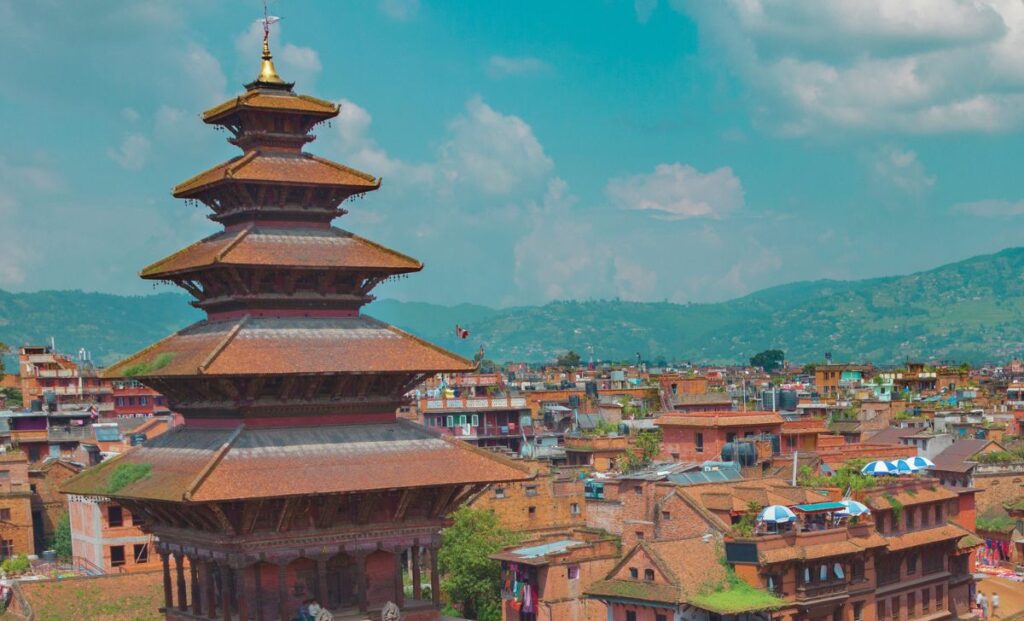
Pata Nepal Trips
The Pacific Asia Travel Association (PATA) has urged tourists and travel companies not to treat the recent floods in northern Nepal as a countrywide disruption, saying most major tourism destinations remain open and operational.
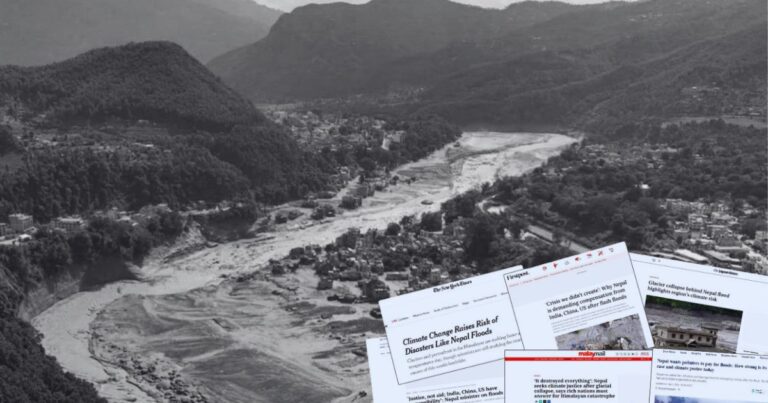
PATA Chairman Henry Oh and PATA Foundation Chairman Andrew Jones said the impact of the floods has been geographically concentrated, particularly around the Bhote Koshi, Trishuli, Rasuwa and Langtang corridors.
In a message to the international travel and tourism community, they said Kathmandu Valley, Pokhara and the Annapurna region, the Everest and Khumbu region, Chitwan, Bardiya, Lumbini and most destinations across the Terai continue to welcome visitors.
Nepal’s airports and major tourism infrastructure are also operating, according to PATA.
PATA warns against blanket travel warnings
PATA said images and reports of devastation in the flood-hit areas could create the impression that the entire country has been affected.
The association has therefore asked travel companies, media organisations and other tourism stakeholders to provide destination-specific information rather than issuing broad warnings about travelling to Nepal.
It has also urged travel businesses to review information published on their websites, travel advisories, itineraries and customer-service platforms and correct any material that incorrectly portrays the whole country as being affected.
The appeal comes ahead of Nepal’s main autumn tourism season, when the Everest and Annapurna regions normally attract large numbers of international visitors.
Some areas remain closed
PATA’s message does not mean that all of Nepal’s tourism routes are operating normally.
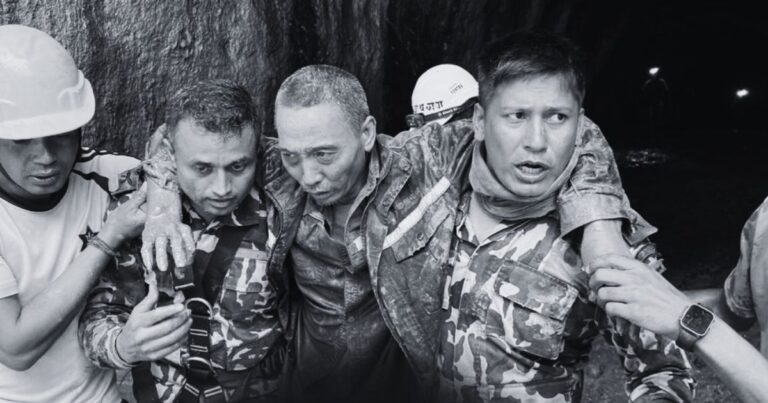
The Langtang, Rasuwa and Bhote Koshi corridor remains disrupted, with travel into the affected area restricted while search and rescue operations continue. The Galchhi-Syabrubesi road has also been closed.
PATA’s Nepal chapter has separately confirmed that Kathmandu-Pokhara and Kathmandu-Chitwan road connections, Tribhuvan International Airport and domestic airports are operating normally. Everest and Khumbu, including Lukla flights, as well as Annapurna, Pokhara, Chitwan, Bardiya, Lumbini and the Terai were listed as operating normally in its latest operational update.
The Trekking Agencies’ Association of Nepal has likewise reported that major trekking destinations including Everest, Annapurna, Manaslu, Kanchenjunga, Makalu, Mustang, Dolpo and Rara were not directly affected by the floods, although access routes to some destinations have been disrupted.
Tourism recovery fund planned
PATA also announced plans to establish a Nepal Tourism Recovery Fund through the PATA Foundation.
The fund will focus on tourism workers and small businesses affected by the disaster, including guides, drivers, porters and families operating homestays, lodges, teahouses and small hotels.
PATA said many tourism-dependent families in the affected corridors had lost their homes, businesses, equipment and seasonal income, and that helping them rebuild would allow tourism-related livelihoods to recover.
Accurate information urged
PATA has advised travellers and tourism businesses to rely on verified information when deciding where and whether to travel in Nepal.
It has pointed to the Nepal Tourism Board’s live travel information platform, Nepal Police and the National Disaster Risk Reduction and Management Authority as key sources for updates on affected areas.
The association said conditions should be assessed according to the specific destination and travel route rather than treating the flood-affected corridors as representative of the whole country.
The appeal comes as Nepal attempts to protect its crucial autumn tourism season. The September-November period normally accounts for a significant share of annual tourist arrivals, but tourism businesses have already reported cancellations following the flood disaster.
PATA’s message is therefore twofold: travellers should avoid areas where authorities have restricted access, but the disaster should not lead to blanket cancellations of trips to destinations that remain open and operating.


Replies
No replies yet. Log in to be the first to reply!