
Nepal’s Japanese Encephalitis Outbreak Raises Alarms Over Adult Protection
Koshi Province has recorded the highest number of cases and deaths in the latest outbreak.
Published August 21, 2026 8:34 pm GMT+0545
Nepal is facing a fresh surge in Japanese encephalitis, with at least 21 people dying and 59 others infected in the six weeks leading up to August 21, 2026.
The latest figures have put renewed attention on a gap in Nepal’s vaccination programme: routine Japanese encephalitis immunisation protects children, but many adults remain unvaccinated despite accounting for a large share of infections and deaths.
Health officials and immunisation experts are now pressing for wider protection of people who have not previously received the vaccine, particularly in districts where the disease has been reported frequently.
Older people facing a higher risk
The current outbreak is notable for the number of adults among those seriously affected.
Health data cited by officials show that about 81% of people who have died during the current outbreak were aged over 50. None of the people who died had received a Japanese encephalitis vaccine.
The pattern is not entirely new. Data from 2025 showed that 76% of people who died from JE were aged over 40, while around 70% of confirmed infections occurred among people older than 15.
The figures suggest that protection against Japanese encephalitis cannot be viewed only as a childhood health issue. A substantial population of adults remains susceptible to the virus.
Koshi among the worst affected
Koshi Province has recorded the highest number of cases and deaths in the latest outbreak.
According to the latest figures cited by health authorities, the outbreak has so far resulted in:
| Province | Confirmed infections | Deaths |
|---|---|---|
| Koshi | 24 | 10 |
| Madhesh | 19 | 6 |
| Lumbini | 7 | 2 |
| Sudurpaschim | 13 | 2 |
| Bagmati | 10 | 1 |
| Gandaki | 5 | 0 |
| Karnali | 1 | 0 |
Jhapa has also experienced a particularly severe outbreak. Ten infections have been confirmed in the district, with six deaths reported.
The situation has prompted increased testing and monitoring by health authorities, particularly in areas where cases have been detected.
Why the vaccine gap matters
Japanese encephalitis is a viral infection that attacks the brain and nervous system.
The virus is transmitted through the bite of infected Culex mosquitoes. Pigs and ducks can act as reservoirs, while people living near paddy fields and pig-rearing areas can face increased exposure.
Most people infected with the virus do not develop noticeable symptoms. But when the infection progresses to encephalitis, the consequences can be severe.
The World Health Organization estimates that about one-third of people who develop clinical Japanese encephalitis die, while a significant proportion of survivors are left with permanent neurological or psychiatric complications.
There is no specific antiviral treatment for JE. Hospital care focuses on managing complications and supporting the patient through the acute illness.
That makes vaccination one of the most important tools available to prevent severe disease and death.
Nepal already has a vaccination programme
Nepal introduced Japanese encephalitis vaccination in 2006 after the country experienced a devastating outbreak.
The disease killed nearly 2,000 people in Nepal in 2005, with children in the Tarai among those most heavily affected.
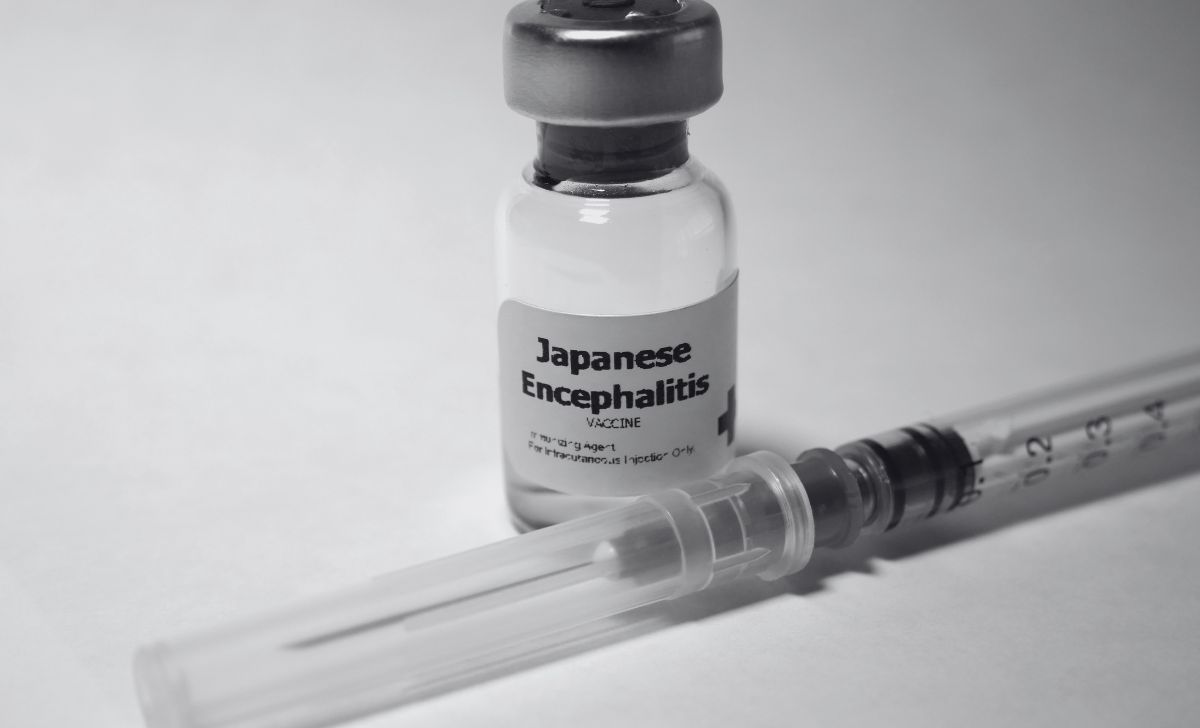
The vaccine was later incorporated into the country's routine immunisation programme. It is now provided free to children through government health facilities.
The programme has helped reduce the traditional burden of JE among children. However, people who were already adults when vaccination was introduced may never have received the same protection.
That immunity gap has become increasingly important as the disease continues to affect older age groups.
Government has identified 11 high-risk districts
The government has allocated Rs460 million for a Japanese encephalitis vaccination programme covering 11 districts with a high disease burden.
The districts identified for the programme are:
- Chitwan
- Kailali
- Tanahun
- Dang
- Jhapa
- Kapilvastu
- Morang
- Rupandehi
- Sunsari
- Rautahat
- Sarlahi
The decision followed recommendations from immunisation experts, who have argued that people who have never received JE vaccination should receive at least one dose.
However, officials have acknowledged that funding and vaccine procurement have slowed the expansion of the programme. Earlier government statements indicated that the wider campaign would not begin until April 2027 because procurement and supply arrangements take time.
That timing has become a concern as Nepal enters the period when mosquito-borne diseases can spread rapidly during the monsoon.
This is not Nepal’s first recent surge
The current outbreak follows another significant increase in Japanese encephalitis cases last year.
In 2025, Nepal recorded 141 infections and 41 deaths, with cases reported across more than 117 local government areas in 45 districts.
In 2024, at least 80 people were infected and 23 died.
The continuing high number of infections has led health experts to describe JE as one of Nepal's most serious mosquito-borne diseases.
The trend has also raised questions about whether Nepal's approach needs to change as the age profile of patients shifts.
Monsoon increases the danger
Japanese encephalitis transmission is closely associated with mosquito activity and environmental conditions.
The monsoon creates additional breeding sites for mosquitoes, while agricultural areas, standing water and rice fields can provide favourable conditions for transmission.
Health officials warned as early as July that the risk would increase as the monsoon intensified. At that point, Nepal had recorded one death and three infections during the beginning of the season.
By August 21, the reported toll had risen to at least 21 deaths and 59 infections.
Vaccination is only part of the response
Experts say vaccination needs to be accompanied by better disease surveillance and public awareness.
Local authorities have also been urged to improve mosquito control, sanitation and community-level awareness, particularly in areas surrounding rice fields and pig farms.
The three levels of government also need to coordinate more closely when cases emerge, health experts have said.
The government estimates that around 12.5 million people in Nepal live in areas where they are at risk of Japanese encephalitis.
A growing challenge for Nepal
Nepal's experience with Japanese encephalitis has changed considerably since the major outbreaks of the early 2000s.
The country now has a long-established childhood vaccination programme, but the latest outbreak shows that protection among adults remains a major challenge.
With 21 deaths already reported in only about six weeks, the immediate concern is preventing further severe infections during the ongoing monsoon season.
The longer-term question is whether Nepal can expand vaccination and prevention measures quickly enough to close the immunity gap among adults before Japanese encephalitis causes another large wave of preventable deaths.
Source: Nepal health authorities and reporting reviewed by Niguro. Figures reflect information available on August 21, 2026.