Interior Chinatown: A Sharp Satire That Challenges Stereotypes and Forces Self-Reflection
Interior Chinatown is a brilliant yet understated reflection of the world—a mirror that exposes how society often judges people by their covers. The show captures this poignantly with the scene where Willis Wu can’t get into the police precinct until he proves his worth by delivering food. It’s a powerful metaphor: sometimes, if you don’t fit the mold, you have to prove your value in the most degrading or unexpected ways just to get a foot in the door. The locked precinct doors represent barriers faced by those who don’t match the “majority’s” idea of what’s acceptable or valuable.
While the series centers on the Asian and Pacific Islander (API) community and the stereotypical roles Hollywood has long relegated them to—background extras, kung fu fighters—it forces viewers to confront bigger questions. It makes you ask: Am I complicit in perpetuating these stereotypes? Am I limiting others—or even myself—by what I assume is their worth?** It’s not just about API representation; it’s about how society as a whole undervalues anyone who doesn’t fit neatly into its preferred narrative.
The show can feel confusing if you don’t grasp its satirical lens upfront. But for me, knowing the context of Charles Yu’s original book helped it click. The production team does an incredible job balancing satire with sincerity, blurring the line between real life and the exaggerated Hollywood “procedural” format. They cleverly use contrasting visuals and distinct camera work to draw you into different headspaces—Hollywood’s glossy expectations versus the grittier reality of life.
Chloe Bennet’s involvement (real name Chloe Wang) ties into the show’s themes on a deeply personal level. She famously changed her last name to navigate Hollywood, caught in the impossible middle ground of not being “Asian enough” or “white enough” for casting directors. It’s a decision that sparks debate—was it an act of survival, assimilation, or betrayal? But for Bennett, it was about carving a space for herself to pursue her dreams.
This theme echoes in one of the show’s most poignant scenes, where Lana is told, “You will never completely understand. You’re mixed.” It’s a crushing acknowledgment of the barriers that persist, even when you’re trying to bridge divides. Lana’s story highlig





















Created by
Charles Yu
Top cast
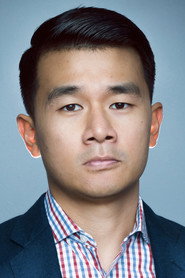
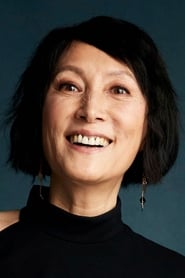
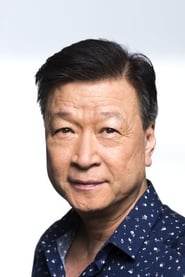
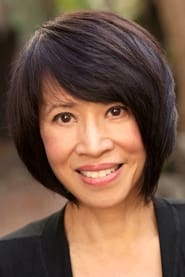
Jimmy O. Yang·Lisa Gilroy·Chloe Bennet·Ronny Chieng·Sullivan Jones·Archie Kao·Lin Xiao Jie·Tzi Ma