

Rasuwa Flood Leaves Banks Facing a Second Crisis: Billions in Deposits and Loans Disrupted
Banks have also had difficulty assessing their losses because some of the worst-hit areas remain difficult to reach.
Published August 31, 2026 6:58 pm GMT+0545
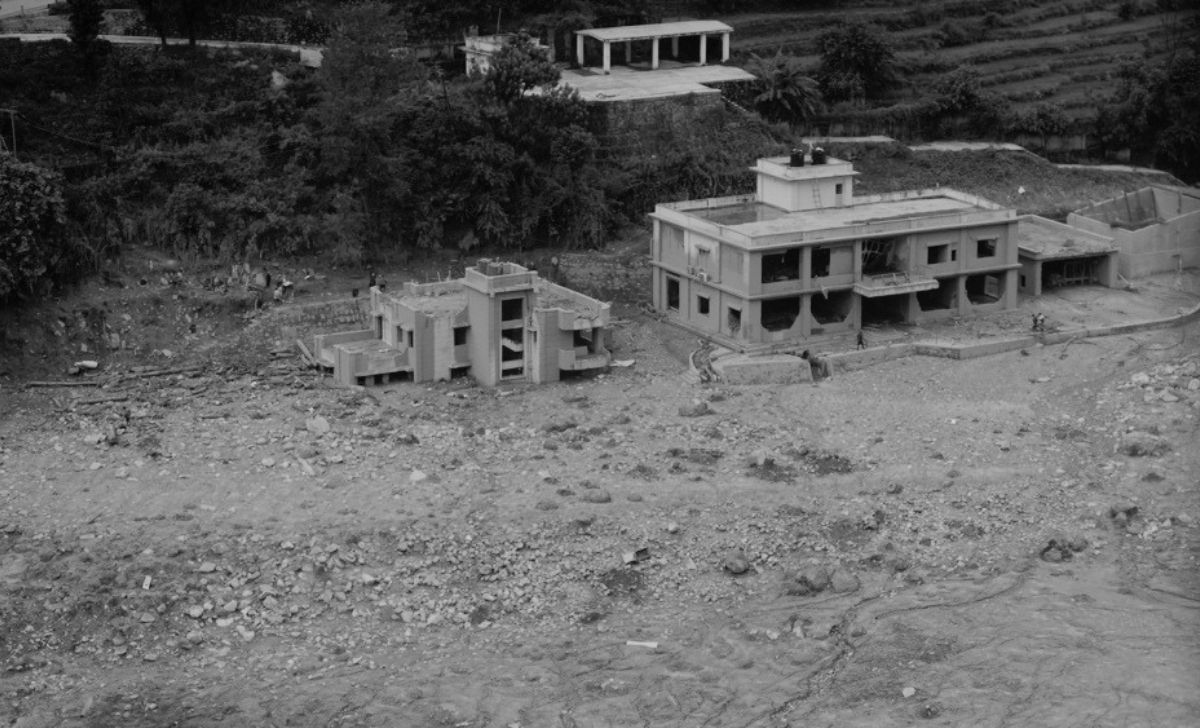
The devastation caused by the Bhote Koshi flood is now extending beyond homes, roads and hydropower projects, with the banking system in Rasuwa and neighbouring Nuwakot facing major physical losses and financial uncertainty.
More than 17 branches operated by 11 commercial banks in the affected areas have been reported completely damaged, according to figures published by Nepal's banking sector. Together, those branches were holding about Rs4.35 billion in deposits and had recorded around Rs2.42 billion in loans.
The figures show that the flood did not simply destroy bank buildings. It disrupted financial services used by tens of thousands of people and businesses in communities where much of the local infrastructure has been washed away.
Thousands of accounts affected
The affected branches had about 73,275 deposit accounts and 2,125 loan accounts, according to the latest assessment.
That means the consequences could continue long after floodwaters have receded. Customers may need access to accounts, documents and banking services while roads, telecommunications networks and commercial centres remain damaged.
Banks have also had difficulty assessing their losses because some of the worst-hit areas remain difficult to reach.
Earlier in the disaster, communication failures made it difficult for banks to establish contact with their employees. At one stage, 26 employees from affected branches were reported out of contact. A later update put the number at 27 employees from seven banks.
Physical losses are only part of the problem
The destruction of bank branches represents only one part of the financial damage.
The Nepal Bankers' Association's earlier assessment put direct physical losses at roughly Rs600 million, excluding insured cash held in vaults, counters and ATMs.
But the much larger concern is the condition of loans issued in areas that have suffered catastrophic physical destruction.
The affected branches had around Rs2.42 billion in recorded lending. If businesses, homes and other assets used as collateral have been destroyed or severely damaged, banks could face a very different kind of risk as borrowers begin seeking repayment relief or restructuring.
There is also an important limitation to the branch figures.
Large loans to hydropower projects in the region are often arranged through consortiums of several banks and approved through central offices. Such lending may therefore not appear in the figures recorded by individual branches.
That means the Rs2.42 billion figure should not be interpreted as the full exposure of Nepal's banking sector to the flood-hit region.
Vaults and valuables were also swept away
The flood also affected banking vaults and other secure facilities.
Branches in areas including Timure and Syafrubesi were swept away, with bank vaults among the property carried downstream. Reports have also emerged of vaults being found around Galchhi in Dhading, although some details could not initially be independently confirmed by local authorities.
The situation has created an unusual problem for banks: they are simultaneously trying to locate missing employees, secure whatever assets can be recovered and determine the condition of their customers' financial records and property.
Some cash held by banks is insured, meaning losses involving insured cash are treated differently from the destruction of branch buildings and other physical assets.
Customer valuables kept in lockers present another complication because banks generally do not know what individual customers have stored inside them.
Agriculture Development Bank branch among the worst hit
Agriculture Development Bank's Trishuli branch suffered particularly severe damage.
The branch had 64 lockers in use, raising concerns about the belongings of customers who used the facility.
The distinction between bank property and customers' property is important in assessing the eventual financial losses. The bank may suffer the loss of its premises and equipment, while customers could face separate losses involving valuables stored in lockers.
Gold pledged as collateral for loans is treated differently because such pledged assets are generally covered by insurance arrangements.
Banking services face a long road back
The flood destroyed much more than branch buildings.
Telecommunications, electricity, roads and bridges in several affected areas were also damaged, making it difficult for banks to restore normal services quickly. Earlier reports said the disruption of telephone and internet networks was one of the main reasons banks could not immediately establish contact with employees.
The government has described the disaster as affecting Rasuwa, Nuwakot, Dhading and Gorkha and said assessment of the full human and material damage remains ongoing.
For the banking sector, the next stage will therefore be less about counting destroyed buildings and more about determining how customers can regain access to financial services, how damaged loans will be handled and how businesses in the affected areas can restart.
The flood has effectively damaged part of the financial infrastructure that communities will need most during the recovery.
And with billions of rupees in deposits and lending tied to the affected branches, the full economic cost to the banking sector may not become clear until the physical reconstruction begins.