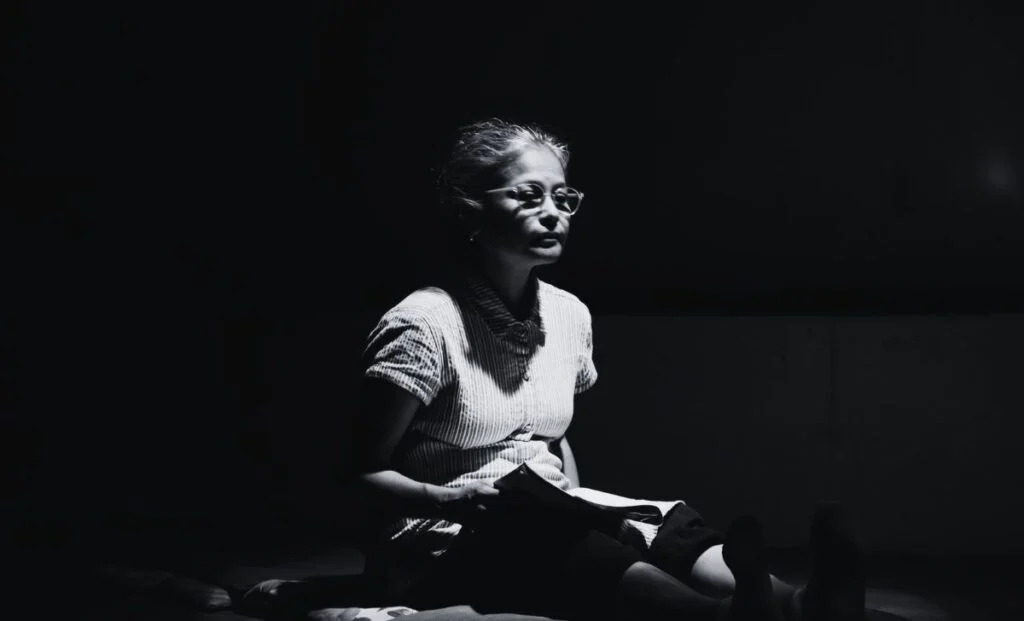
Jagadish Ghimire’s seminal literary work, Sabiti, stands as one of the most poignant critiques of social hierarchy, patriarchy, and political hypocrisy in modern Nepali literature. Originally written decades ago, the narrative remains intensely relevant, capturing systemic absurdities that persist across South Asian societies.
When Kathmandu’s Theatre Village brought Sabiti to life on stage under the direction of Bimal Subedi, it ignited renewed artistic conversations about cross-border theatrical collaboration and adaptation.
┌─────────────────────────────────────────────────────────────┐
│ KEY PRODUCTION DETAILS │
├───────────────────┬─────────────────────────────────────────┤
│ Original Author │ Jagadish Ghimire │
│ Production House │ Theatre Village │
│ Director │ Bimal Subedi │
│ Lead Actor │ Anuradha Majumdar │
│ Co-Actors │ Sujan Oli, Sajan Kumar Sunuwar │
│ Venue (Kathmandu) │ Shilpee Theatre, Battisputali │
└───────────────────┴─────────────────────────────────────────┘
The Story and Core Themes
While the original novel approaches its narrative through a male perspective, the stage adaptation places female characters at the absolute center of an unequal social structure.
- Gender and Patriarchy: The play exposes how women bear the disproportionate brunt of traditional power structures, healthcare access disparities, and social discrimination.
- Societal Absurdities: Through a blend of realism and philosophical nihilism, the story dissects political anomalies and class divisions.
- Globalization & Class: The production highlights how economic inequities in developing nations alienate working-class communities.
Anuradha Majumdar’s Portrayal
A standout element of Theatre Village’s production was the performance of Anuradha Majumdar, a prominent Indian theater artist and educator. Having previously performed in Nepali productions like Khuma and Baki Ujyalo, Majumdar’s involvement demonstrated the deep artistic ties between Nepal and India.
Shared alongside actors Sujan Oli and Sajan Kumar Sunuwar, Majumdar’s portrayal brought psychological depth to the lead role, emphasizing the shared socio-political realities of both countries.
Legacy on the Kathmandu Stage
Adaptations like Sabiti underline the vital role independent theater playhouses—such as Shilpee Theatre—play in preserving literary heritage. By transforming classic text into experiential drama, contemporary directors ensure that critical societal questions continue to reach new generations.
Replies
No replies yet. Log in to be the first to reply!